Why an independent assessment
changes the conversation
When you have a documented, methodology-based price range in hand, you negotiate differently. Here is how we arrive at that number — and why the process matters as much as the result.
Independent opinion vs. sales-motivated estimate
When a broker provides a property valuation, they have a direct financial interest in winning your listing. This creates an inherent tension: the number they give you reflects what they think will secure your signature, not necessarily what comparable market evidence supports.
Keen Sparked has no listing to win. We are paid for the assessment itself — a fixed service with a defined deliverable. Our only interest is in producing an accurate, well-documented technical opinion that reflects what the evidence shows. If the market evidence suggests your property is worth less than you hoped, we will tell you that — with the data to support it.
What this means for you: You receive a price range derived from market observation, not from a negotiation strategy. That range becomes your factual reference point in any conversation about price.

How we arrive at the price range
Our process follows a structured methodology that prioritizes verifiable data over subjective judgment.
On-site documentation
We visit the property and systematically document all characteristics that influence value: construction type, materials, finishes, condition, floor area, lot dimensions, orientation, access, and surrounding environment.
Comparable selection
We identify properties with similar characteristics — type, size, age, condition — that have been listed or transacted in the same zone within a relevant recent timeframe. We prioritize verified transactions over asking prices.
Adjustment and analysis
No two properties are identical. We apply documented adjustment factors for differences between the subject property and each comparable — accounting for size differences, condition, location within the zone, and feature variations.
Range derivation and reporting
From the adjusted comparable analysis, we derive a supported price range. The report documents every step of this process — the comparables used, the adjustments applied, and the reasoning behind the final range.
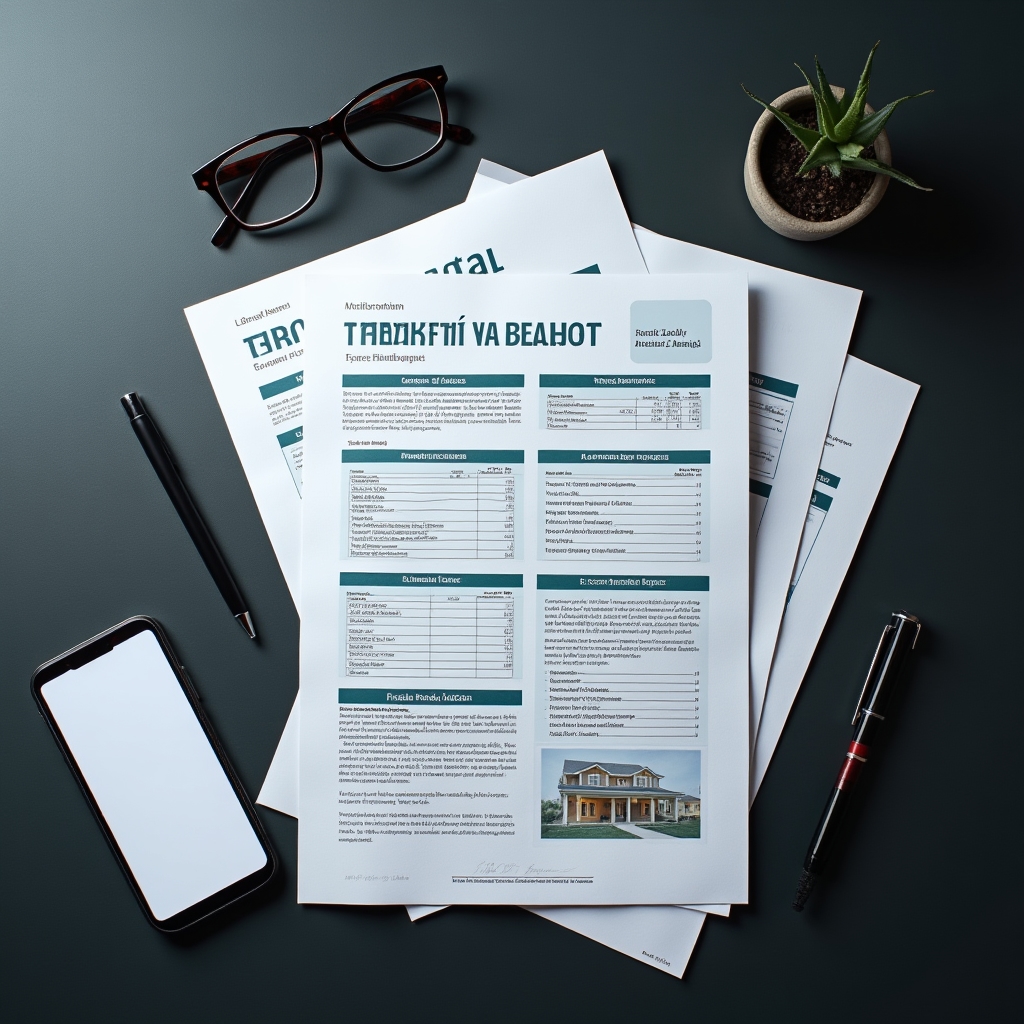
Inside the assessment report
Property profile
A structured documentation of the property's physical characteristics: construction type, materials, finishes, condition, measurements, and notable features that affect value in either direction.
Zone analysis
An assessment of the property's location factors: neighborhood classification, proximity to commercial areas and services, infrastructure quality, and current demand dynamics in that specific zone.
Comparable properties table
A documented list of the comparable properties used, with their key characteristics, listed or transacted prices, and the adjustment factors applied to account for differences with the subject property.
Estimated price range
The central output of the report: a supported price range with a written explanation of how it was derived and what factors would push the value toward the upper or lower end of the range.
Scope and limitations
A clear statement of what the report is — a technical opinion for private use — and what it is not: a legally binding appraisal, a bank valuation, or a document for official proceedings.
Date and market context
The assessment date and a brief note on prevailing market conditions, so you understand the temporal context of the valuation and can factor in any subsequent market changes.
What our service is not
Transparency about limitations is as important as describing what we offer. We want you to understand exactly what you are getting before you engage our service.
Our service is appropriate for private decision-making: setting a sale price, evaluating an offer, determining a rental rate, or verifying a broker's quoted figure. It gives you a well-documented reference point — which is exactly what most property owners need before entering a negotiation.
Request your property assessment
Describe your property and we'll explain the process, timeline, and what the report will contain before you commit to anything.
Get in Touch